· ice-caves · 14 min read
5 Things to Know Before Booking an Ice Cave Tour in Iceland
Before you book an Iceland ice cave tour, read this: where the tour really starts, the season, the 48-hour rule, the fitness question, and what to pack.
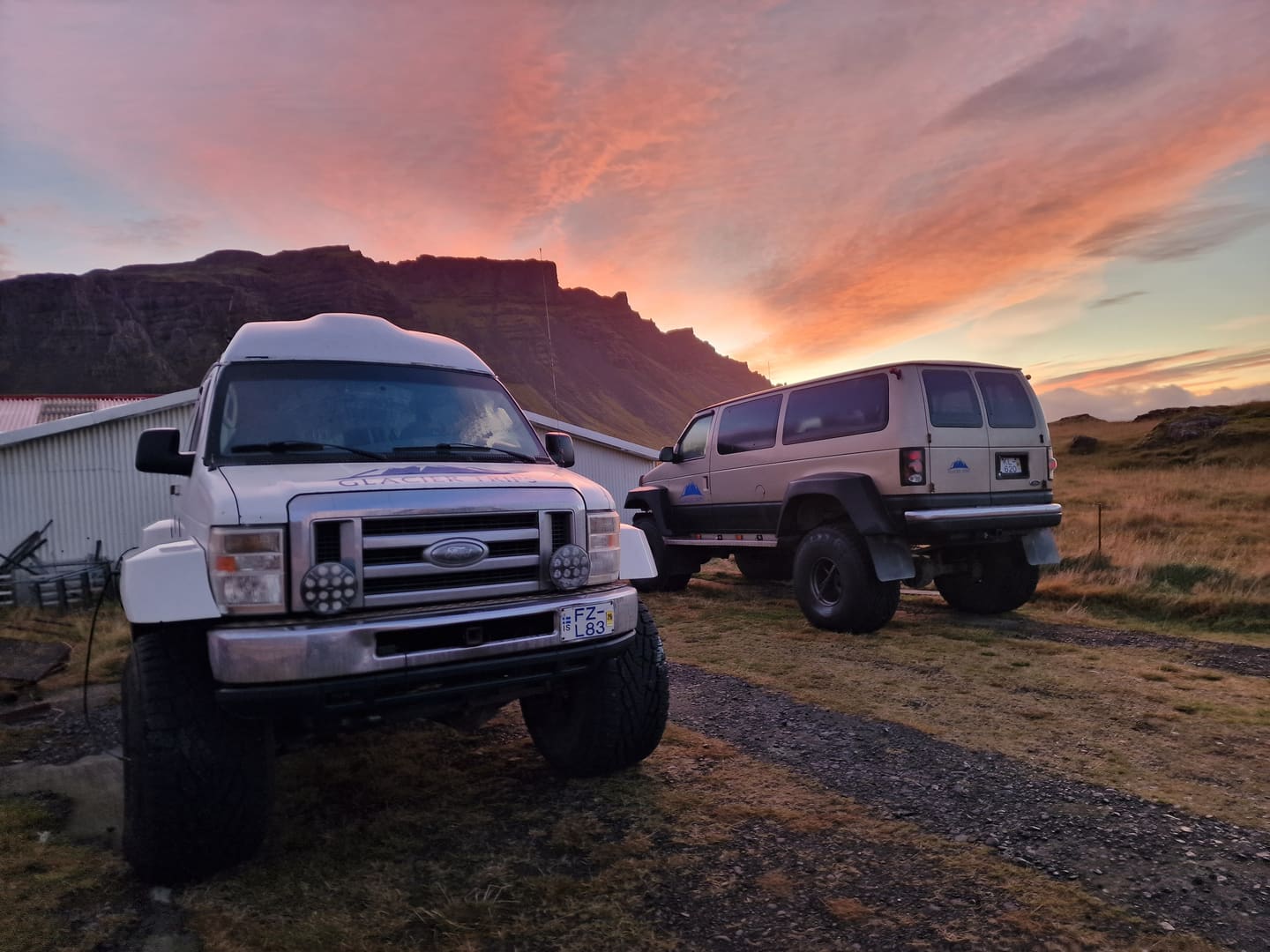
Before you book an ice cave tour in Iceland, there are five things you should know: the tours leave from Jökulsárlón (about 5 hours from Reykjavík, not a suburb of it), the season runs October to April only, the cancellation rule is 48 hours, you need decent health but not athleticism, and you bring the clothes while we bring the glacier gear. That's the whole article in one paragraph. The details below are where the trip gets saved or ruined.
I'm Sindri. My wife Fanney and I started Glacier Trips in Höfn in 2015, and I've guided ice caves inside Vatnajökull ever since, these days alongside our small team of local guides. Every winter the same five misunderstandings walk up to our Super Jeeps, and every winter they cost somebody a cancelled booking or a stressful morning. So I wrote them down.
1. The tour starts at Jökulsárlón, about 5 hours from Reykjavík
This is the big one. It surprises more guests than everything else combined.
Jökulsárlón Glacier Lagoon sits on Iceland's southeast coast, off Route 1 inside Vatnajökull National Park, about 5 hours of driving from Reykjavík. Each way. Longer in winter. There is no Reykjavík pickup for our tours; we meet you at the main parking area beside the lagoon, the lot closest to the water, and you'll spot our Super Jeeps with the green Glacier Trips logo on the side.
About that drive: in winter, rent a 4×4. The roads out here are exposed and ice over fast, and a small two-wheel-drive car has no business on them in a storm. Check safetravel.is each morning before you set off and install the SafeTravel app while you're at it. That's not tour-company caution talking; it's the same advice I give friends who visit me in January.
What the distance means for planning is simple enough. Based in Reykjavík for a day or two? Our tours probably aren't the right fit, and I'd rather tell you that now. Driving the South Coast or the Ring Road over several days? Then the timing works beautifully: Jökulsárlón is a natural overnight stop, with Diamond Beach next door and Reynisfjara on the way. Staying in Höfn puts you about an hour east of us, roughly 80 km. And if you're on a cruise with a day in Reykjavík or Akureyri, the port clock just doesn't allow it, sorry.
We've watched guests book at midnight, realize the distance two days later, and cancel. Nobody enjoys that, least of all us. Plan the drive first, then book the cave.
2. The ice cave season is October through April, and conditions vary every day
Natural ice caves only exist while the glacier is cold enough to hold them stable, which at Jökulsárlón means October to April. Outside that window there's simply no cave to visit. Anyone who tells you otherwise is selling a man-made tunnel somewhere else.
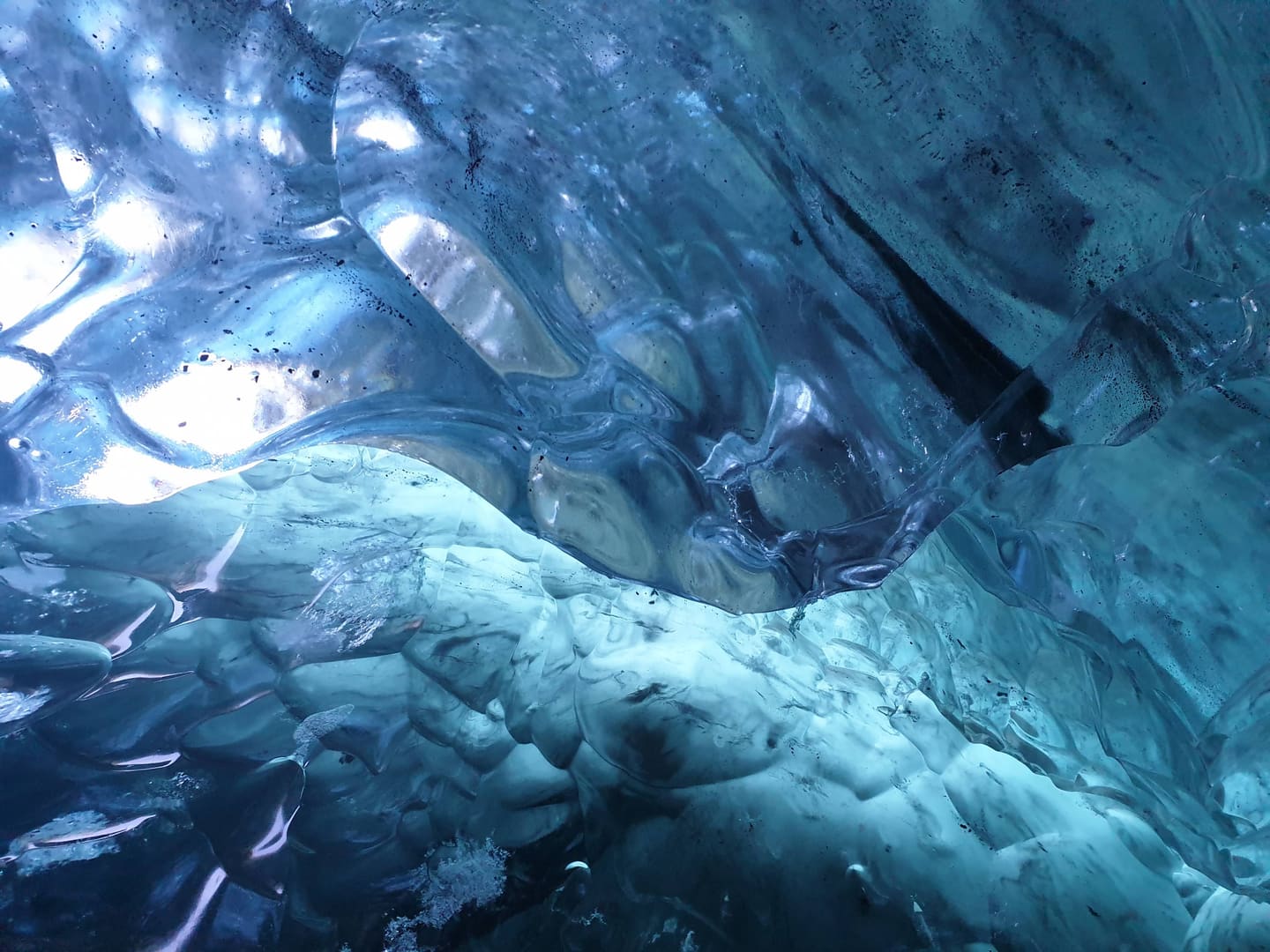
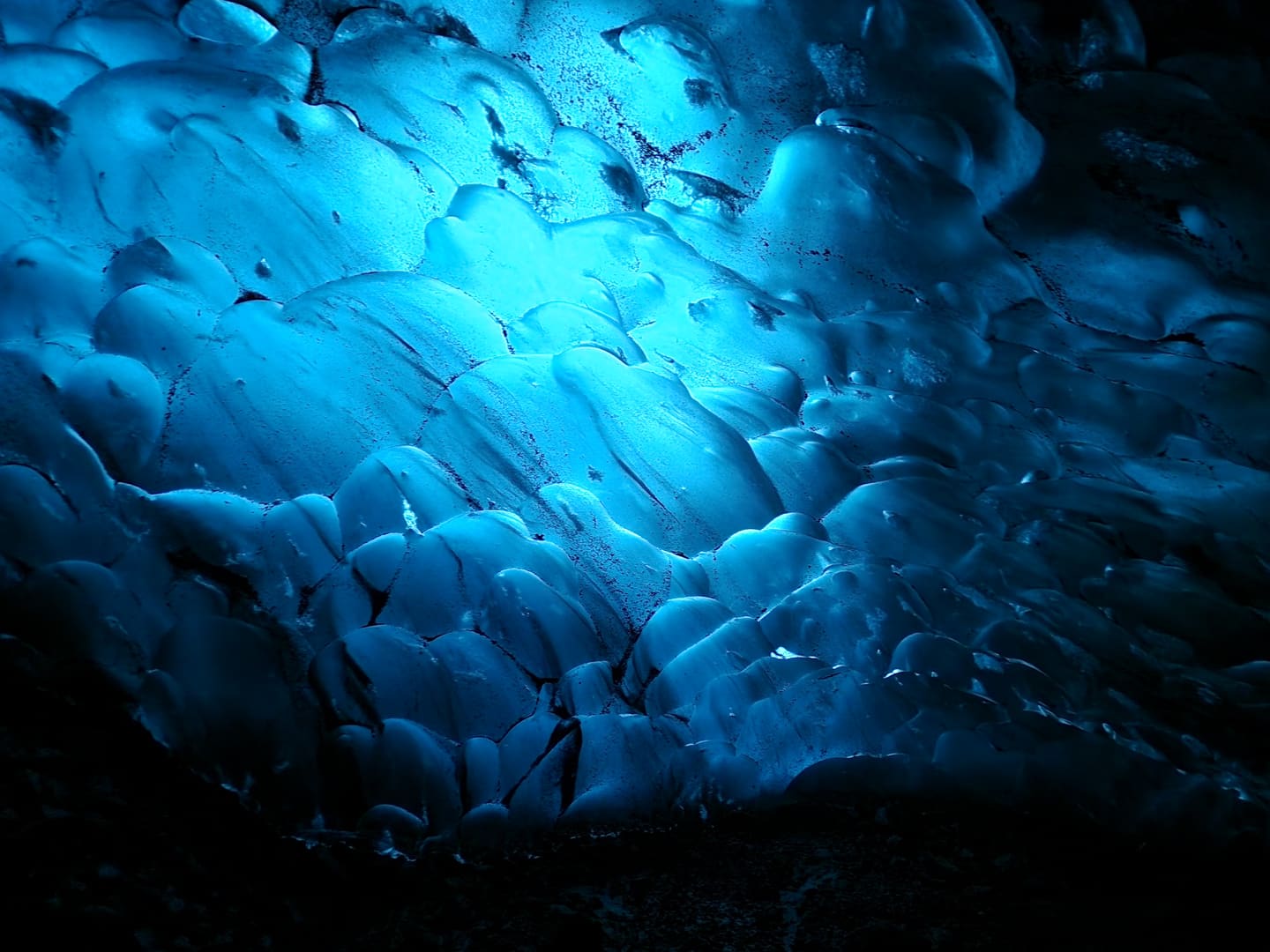
Within the season, each stretch has its own character. October is formation time: fewer caves open, smaller crowds, more of an exploring feel. November through February is the peak, with the largest and most stable caves and the crystal-blue ice the photographers chase. By March and April the caves are thinning and the season is winding down to its last weeks.

And the caves change constantly even mid-season. The cave we visit today may be gone next month; meltwater carved it and meltwater takes it back. Our guides pick each morning's cave based on weather, ice condition and recent precipitation, checked daily against en.vedur.is and road.is. That's also why we won't guarantee a specific cave: natural ice doesn't take reservations. What we do promise is that if a planned cave is unsafe, there's a backup, often a glacier walk on the surface, and the safety call always wins.
3. Our cancellation policy is simple, and protects you
Weather uncertainty is the thing that keeps Iceland trip-planners up at night, so here's our policy with nothing hidden in it.
Cancel more than 48 hours before the tour and you get a 100% refund (a small card-processing fee may apply). Cancel inside 48 hours and there's no refund, no exceptions, because by then the gear, the vehicle and the guide's day are already committed to you. And if we cancel, for weather, road closures or unsafe ice, you choose: full refund (minus transaction costs) or a free reschedule.
That last sentence is the one to remember. When an Icelandic storm takes your tour day, you haven't lost anything; you get rebooked or repaid, whichever suits your trip. The same policy applies wherever you booked, direct or through a platform. Full text in the terms and conditions.
4. You need to be in good health, but you don't need to be an athlete
Honest fitness talk, because "easy" and "hard" mean different things to different bodies.
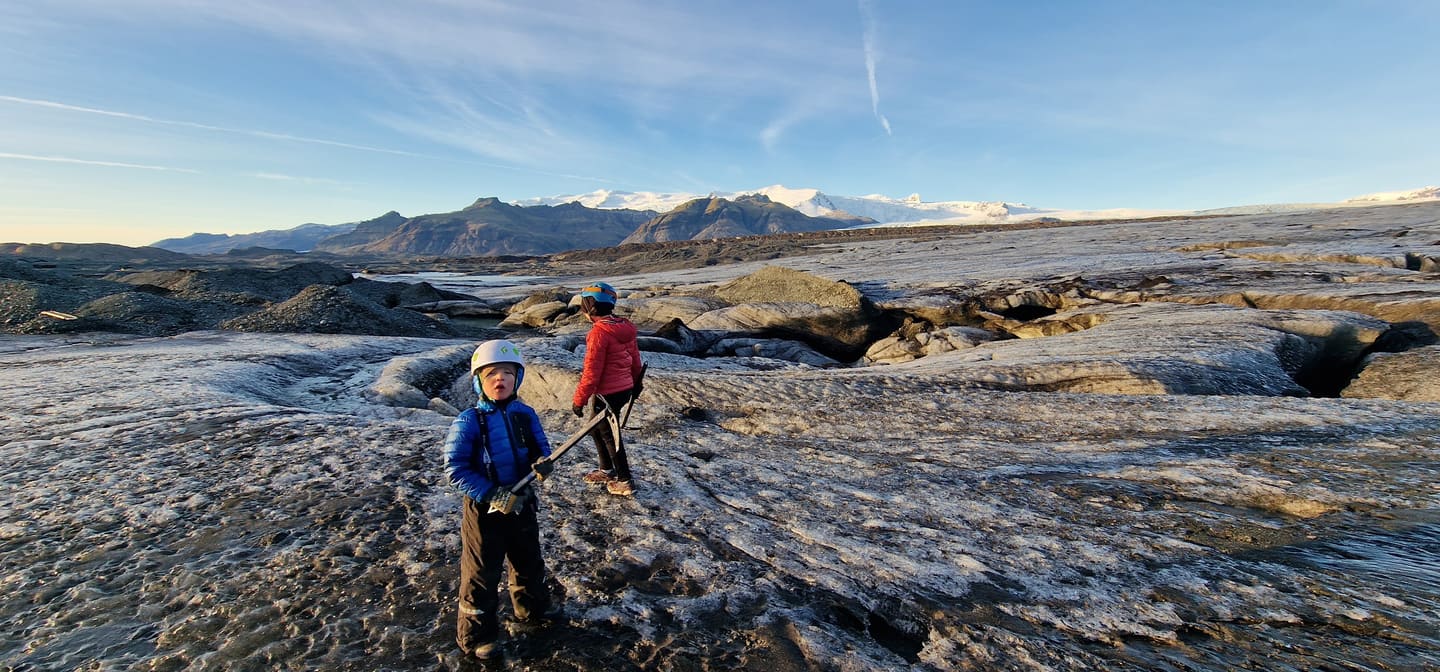
The short Ice Cave Inside Vatnajökull tour runs 2.5–3 hours: about 30 minutes of Super Jeep each way, a 25–35 minute walk on the ice, and 35–45 minutes inside the cave. We hand out micro spikes when the ice calls for them and your guide carries the rest of the safety gear. Minimum age 8. If you can manage a brisk half-hour walk on uneven ground, you can manage this.
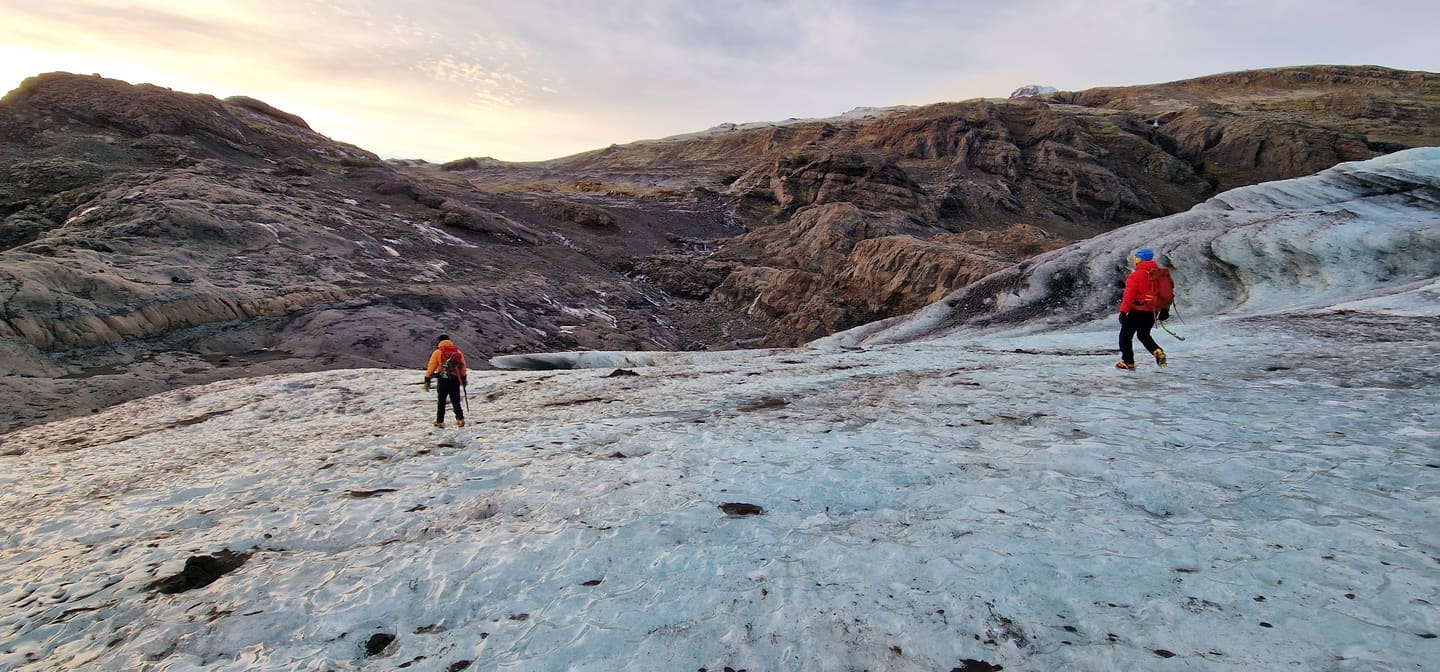
The longer Adventures Dream tour is a different animal: 5–6 hours, a glacier hike of 1 to 1.5 hours, and more time at every stop. The hike is why this tour adds crampons and a harness to the kit, and why the minimum age is 14 and the group caps at 8. Call it moderate, leaning hard if you're out of practice.
Worth flagging before you book either one: significant mobility problems make uneven ice genuinely difficult; a recent ankle, knee or hip injury deserves a conversation first; and if tight spaces worry you, know that most chambers are roomy but some passages aren't. Email info@glaciertrips.is and describe your situation; you'll get a straight answer, including "skip it" when that's the honest one. The age minimums, by the way, are Icelandic tour-operator safety regulations, not our invention.
5. What to wear and bring. We provide the rest
The one we wish every guest read twice. Every season people arrive underdressed, and cold guests don't have fun, simple as that.
Your packing list: a wool or synthetic base layer (not cotton; cotton soaks and stays wet), a fleece or wool jumper, a waterproof and windproof shell, jacket and trousers, a hat that covers your ears, insulated gloves with a spare pair if you have one, warm socks, and a small backpack for water, snacks and the camera. Above all: sturdy hiking boots with ankle support. They're the most important item on the list, because traction gear needs a real boot to grip and city shoes slip on glacier ice with or without spikes. No boots? Rent a pair at an outdoor shop in Reykjavík before driving south.
Our side of the deal, on the short tour: micro spikes when the ice needs them, a helmet, headlamps if a cave section runs dark, and the group safety equipment your guide carries. Adventures Dream adds crampons and a harness for the bigger hike. You don't need to buy a single piece of glacier equipment; that part is our job.
Frequently asked questions
What should I know before booking an ice cave tour in Iceland?
Five things: (1) Tours leave from Jökulsárlón in southeast Iceland, about 5 hours from Reykjavík, not from the capital. (2) The season is October to April only; natural caves don't exist outside it. (3) Cancellation is 48-hour: full refund before that line, and if we cancel for weather you get a refund or free reschedule. (4) Most people in good health manage the short tour; Adventures Dream wants more fitness. (5) You bring warm layers and hiking boots; we provide the glacier gear.
What is the best time of year to visit ice caves in Iceland?
Late January through mid-February for the most stable caves and deepest blue. Late October or early April for smaller crowds, with fewer caves open. November through February doubles as Northern Lights season, and March–April gives you the most daylight for the drive.
How long does an ice cave tour take?
The short Ice Cave Inside Vatnajökull tour takes 2.5–3 hours including the Super Jeep ride from Jökulsárlón. Adventures Dream takes 5–6 hours with a longer glacier hike. Driving from Reykjavík adds about 5 hours each way, which is why most guests stay a night or two nearby.
What should I wear for an ice cave tour?
Wool or synthetic base layer (not cotton), a fleece, waterproof jacket and trousers, hat over the ears, insulated gloves, warm socks, and sturdy hiking boots with ankle support. On the short tour we provide micro spikes when needed, a helmet and headlamps; Adventures Dream adds crampons and a harness. Boots are the non-negotiable; traction gear can't grip a sneaker.
Are ice cave tours in Iceland safe?
Yes, with a professional guide and proper gear. We check en.vedur.is and road.is daily, and a guide scouts the cave every morning before any group goes in. If the planned cave is unsafe we switch caves or walk the surface instead; the safety call always wins. Minimum ages are 8 (short tour) and 14 (Adventures Dream), set by Icelandic regulations. I've guided here since 2015, and our 4.9-star average across 580+ reviews is built on those morning decisions.
Can I see ice caves in Iceland in summer?
Not at Jökulsárlón; the caves melt out. The year-round options elsewhere are engineered tunnels, not natural caves. In summer the right call here is the boat tour on the lagoon — our boat tour vs ice cave comparison lays it out.
How much does an ice cave tour cost in Iceland?
Our short tour starts at 23,900 ISK per adult and Adventures Dream at 36,500 ISK. Booking direct on glaciertrips.is skips the platform commission and reaches us directly; the code DIRECT5 takes another 5% off. The full cost breakdown, including what platforms add, is in our pricing guide.
Do I need a 4×4 to drive to the ice cave tour in winter?
In winter, yes, rent a 4×4. The roads to Jökulsárlón are exposed and ice over quickly, and a two-wheel-drive car struggles in a winter storm. Check safetravel.is for alerts before driving each day and install the SafeTravel app. Reykjavík to Jökulsárlón is about 5 hours each way, longer in bad weather.
Do I need to be experienced to go on an ice cave tour?
No. The short tour is built for first-timers: the Super Jeep handles the terrain, the guide leads the walk and hands out micro spikes when needed, and the cave entrance is straightforward. For Adventures Dream you want the fitness for a 1–1.5 hour walk on uneven ice, but no climbing skills.
Ready to book?
Ice Cave Inside Vatnajökull (2.5–3 hours, from 23,900 ISK) is what most travelers pick. Adventures Dream (5–6 hours, max 8, from 36,500 ISK) is the longer day with the glacier hike, and the photographers' favourite.
Booking direct on glaciertrips.is means your booking and your questions land with the family that runs the tour, not a platform queue, and the code DIRECT5 gives you 5% off. Where exactly do we meet? It's on the location page, or just email info@glaciertrips.is and ask.
Sindri
Glacier Trips · Höfn, South-East Iceland · family-run since 2015